How to Plan Your Trip to the Hatta Mountain Region
Understanding the Terrain and What to Expect
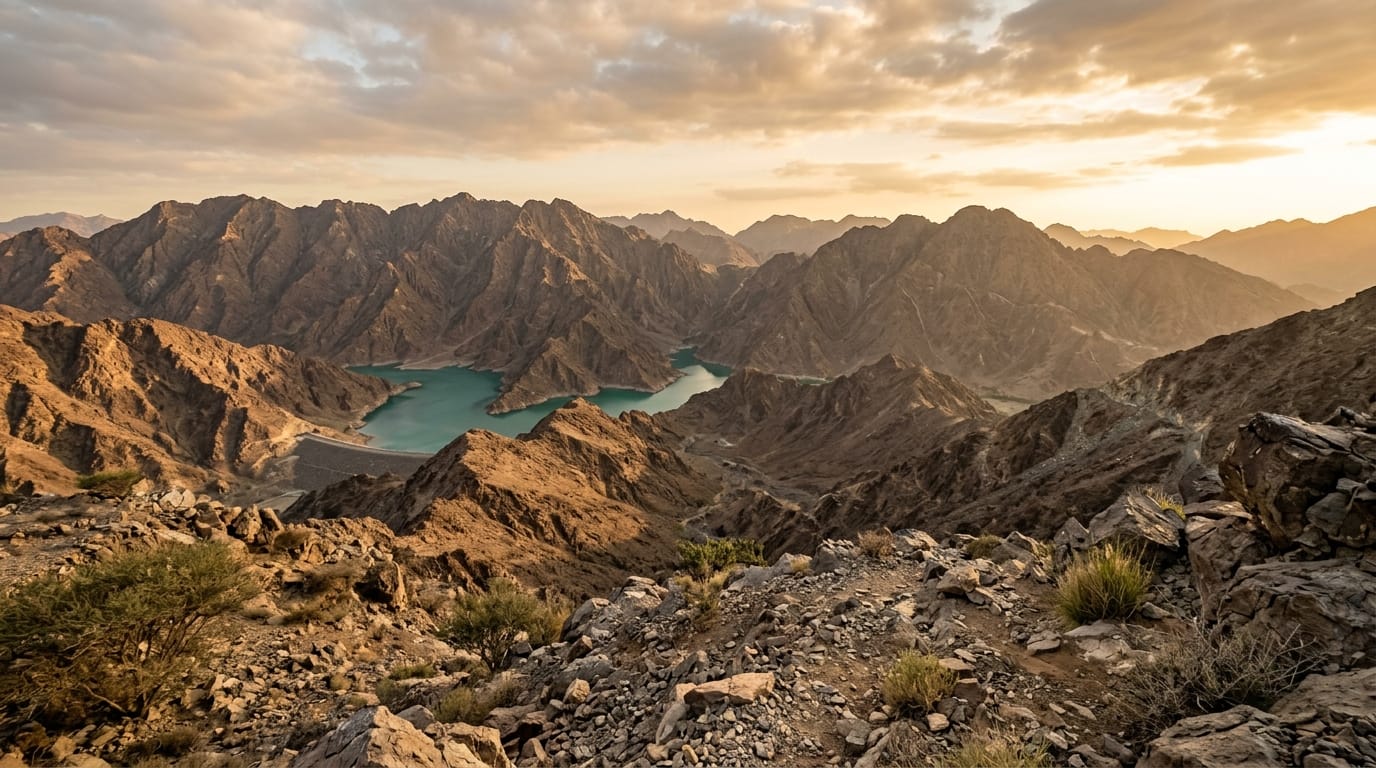
Planning a trip to the Hatta mountain region in Dubai requires a shift in mindset from the city's skyline to a landscape of jagged peaks, dry riverbeds, and ancient rock formations. This area is part of the Hajar mountain range, and its rugged beauty is best appreciated with some preparation. The first thing to recognize is that this is a place for active exploration, not luxury lounging. The terrain varies from smooth, graded paths suitable for walking to steep, rocky scrambles that demand proper footwear and a good level of fitness.
Before you set out, check the weather. The cooler months from October to April are ideal, with daytime temperatures that allow for comfortable hiking. Summer months can be punishing, with extreme heat making midday activity dangerous. If you visit during the hotter part of the year, plan your excursions for early morning or late afternoon. Always carry more water than you think you need, and inform someone of your planned route if you are heading into the less frequented areas. For a well-organized experience, many travelers look into guided options such as the Hatta Mountain Tour Dubai hatta mountain dubai, which can handle logistics and local knowledge for you.
Choosing Your Mode of Exploration
How you explore the mountains depends largely on your group's composition and your personal interests. Hiking is the most direct way to experience the landscape, but not everyone wants to cover miles on foot. Biking, kayaking, and even driving through the area each offer a different perspective. Think about what you want to get out of the trip: solitude and exercise, scenic views from a saddle, or a relaxed day with stops at heritage sites.
Hiking and Trekking
If you choose to hike, start with the well-marked trails near the Hatta dam. The path that loops around the dam is relatively flat and offers great views of the turquoise water against the brown mountains. For a more challenging experience, consider the trails that ascend into the wadis. The key here is to watch for trail markers, which can be sparse in some sections. Carry a map or have a GPS app downloaded on your phone, as cell service can be patchy. Good ankle-supporting boots are essential, and trekking poles can help with stability on loose scree.
Mountain Biking
The Hatta mountain region has become a popular spot for mountain biking, with a network of purpose-built trails that range from beginner-friendly green routes to demanding black runs. If you are renting a bike, check the tyre pressure and brakes before heading out. The terrain can be dusty and rocky, so a bike with good suspension is a plus. Ride within your ability level, especially on descents where loose gravel can cause a wipeout. Many riders find that an early start helps them avoid the midday heat and gives them the trails mostly to themselves.
Kayaking on the Hatta Dam
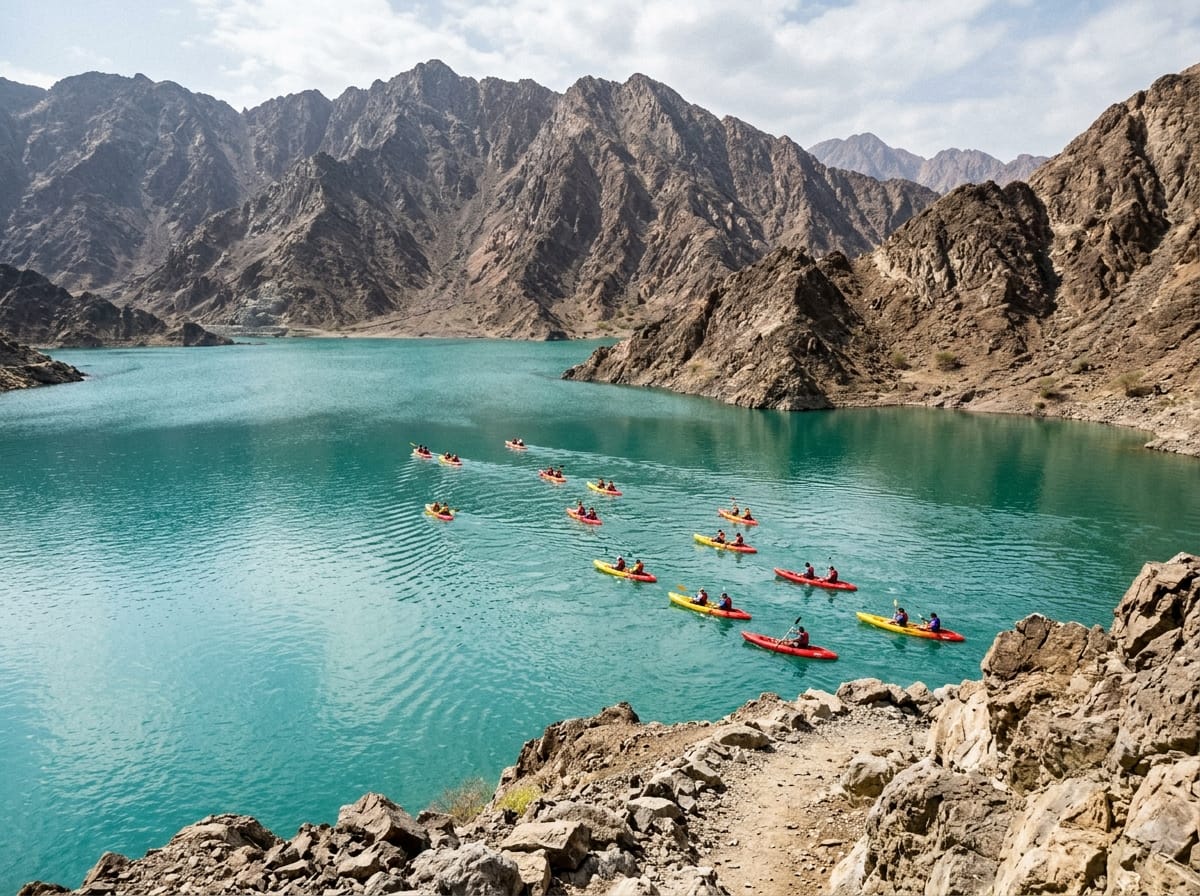
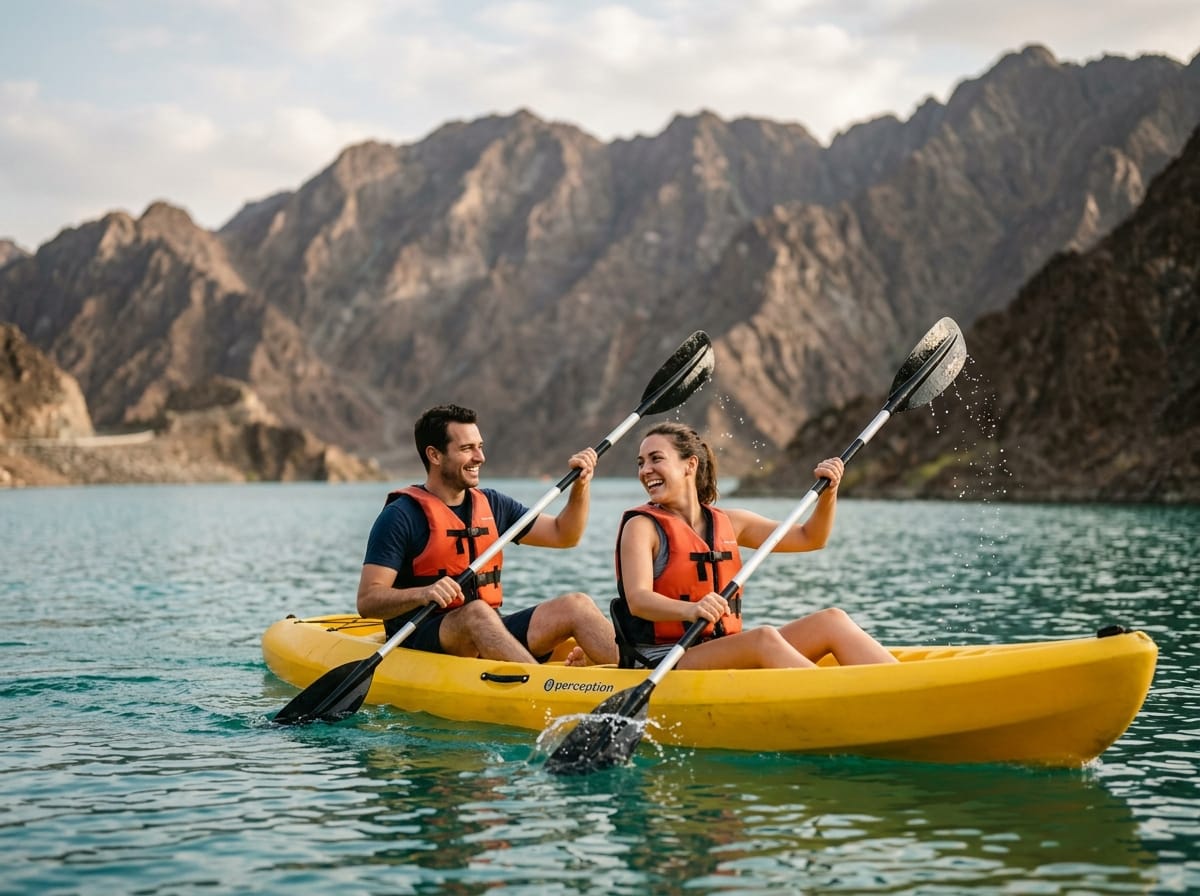
Kayaking is a surprisingly serene way to appreciate the mountains. Paddling across the calm water of the dam provides a completely different angle on the surrounding peaks. The water is usually still in the morning, making for easy paddling. Be mindful of the wind, which can pick up in the afternoon and make the return trip harder. Life jackets are a must, and if you are not a strong swimmer, stay close to the shoreline. This activity is suitable for families with older children, but very young kids may find it tiring after a while.
Deciding What to Bring
Packing for the Hatta mountains means preparing for a range of conditions. The sun is intense, even in winter, so sun protection is non-negotiable. A wide-brimmed hat, sunglasses, and high-SPF sunscreen are basics. Clothing should be lightweight, breathable, and in light colors to reflect heat. Long sleeves and trousers also protect against sun and scratches from bushes. A windbreaker or light jacket is useful for the evening, when temperatures can drop noticeably.
Footwear is the single most important item. Avoid trainers with smooth soles; they will slip on rocks. Choose hiking shoes or boots with a good grip. For water activities like kayaking, water shoes are helpful. Bring a small first-aid kit with plasters for blisters and antiseptic wipes for minor cuts. A power bank for your phone is a good idea, as you may be out for several hours. And always have a headlamp or torch if there is any chance you will be out after dusk.
Understanding Your Fitness Level and Limits
Be honest with yourself about your physical condition. A moderate hike in the Hatta mountains involves elevation gain that can be tiring for someone unaccustomed to it. If you are not regularly active, start with the shortest, easiest trails and see how you feel. Watch for signs of heat exhaustion: headache, dizziness, nausea, and excessive sweating. If you or someone in your group starts showing these signs, stop, get into the shade, drink water, and cool down with a wet cloth. Do not push through it.
For those who are more experienced, the area offers routes that will test your endurance. Some trails involve scrambling over boulders and require full attention to hand and foot placement. Always carry a map and compass, or a GPS device. It is easy to lose orientation in the maze of wadis, and a wrong turn can lead to a long, difficult detour. A local guide can be invaluable here, not only for navigation but also for pointing out geological features and local wildlife that you might miss on your own.
Choosing the Right Time of Day
Timing your activities makes a huge difference in comfort and safety. The golden hours just after sunrise and just before sunset offer the best light for photography and the coolest temperatures. Midday, especially between 11 am and 3 pm, is best spent resting, having lunch, or exploring shaded areas like the Hatta Heritage Village. The village, with its restored stone houses and watchtowers, gives a glimpse into the region's past and is a pleasant place to wander without direct sun exposure.
If you plan to kayak, the morning is ideal because the water is calm and the light on the mountains is stunning. For hiking, an early start allows you to be off the trail before the heat peaks. Mountain bikers often prefer late afternoon, when the sun is lower and the shadows add depth to the trails, making the ride more visually engaging. Whatever you choose, factor in how long it takes to return to your vehicle or accommodation before dark. The mountains can get dark quickly once the sun drops behind the ridges.
Navigating the Area and Staying Oriented
Road signs in the Hatta region are generally good, but once you are off the main roads, navigation becomes more challenging. Download offline maps before you go, as cell reception can be unreliable in the valleys. A physical map of the area is a reliable backup. If you are using a GPS app, make sure it includes trail data for the Hatta region, not just road data. Many people find that a simple compass and a printed map are enough for the well-traveled routes.
Pay attention to landmarks. Note distinctive rock formations or unusual trees that can help you find your way back. If you get lost, stay put if you have water and shelter, as walking aimlessly may make it harder for rescuers to find you. For those who prefer not to worry about navigation, joining a group or hiring a guide is a solid choice. A service like Hatta Mountain Tour Dubai hatta mountain dubai can take care of route planning, safety equipment, and local knowledge, allowing you to focus on enjoying the scenery.
Respecting the Environment and Local Rules
The Hatta mountains are a fragile ecosystem. Stay on marked trails to avoid damaging vegetation and disturbing wildlife. Pack out all your rubbish, including organic waste like fruit peels, which can take a long time to decompose in the dry climate. Do not disturb the heritage structures or remove rocks, fossils, or plants. Fires are generally not permitted outside designated areas, and if you are camping, use a gas stove rather than a campfire. The local community values the preservation of this landscape, and visitors should do their part.
Be aware that some areas may be closed during certain times of the year for conservation or safety reasons. Check with the local tourism office or your accommodation for any current restrictions. If you are driving, park only in designated spots to avoid blocking access roads or damaging the terrain. The effort you put into being a responsible visitor ensures that the mountains remain beautiful for the next person.